0% Complete
صفحه اصلی
/
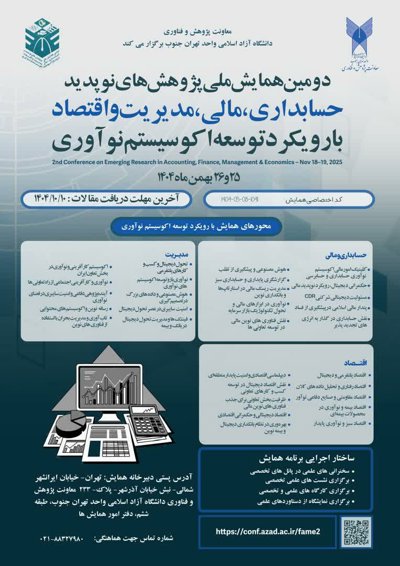
دومین همایش دوسالانه پژوهش های نوپدید در حسابداری،مالی و مدیریت
Optimal Real-Time Decision Making with Predictive Artificial Intelligence and Fuzzy Logic in Big Data Environments
نویسندگان :
Felor Beikzadeh Abbasi
1
1- Technical University of Crete
کلمات کلیدی :
Optimal real-time Decision-Making،Predictive AI،Random Forest،Fuzzy Logic
چکیده :
Decision-making is a critical and inseparable component of modern business enterprises, where achieving optimal real-time decisions requires rigorous prediction and evaluation of uncertain outcomes in big data environments. Artificial intelligence techniques, particularly machine learning algorithms, have emerged as powerful tools to support and enhance these processes. This study proposes an enhanced Random Forest algorithm incorporating dynamic feature selection at the node level of each tree. A dedicated preprocessing pipeline prepares big data, introducing purposeful diversity among trees and transforming the ensemble into a more adaptive dynamic forest, thereby overcoming limitations of traditional static approaches in high-dimensional and volatile settings. To integrate predictive outputs with strategic considerations, the framework combines Dynamic Random Forest results (upward, stable, or downward trends) with risk management level (high, medium, low) and resource type (strategic or tactical) within a fuzzy multi-criteria decision-making (FMCDM) system. The fuzzy approach effectively manages vagueness, subjectivity, and linguistic uncertainty inherent in business decisions by using fuzzy sets, linguistic variables, and Mamdani-type inference. This hybrid methodology enables optimal real-time decision making—recommending to continue, cancel, or modify the current trend—in high-stakes applications such as bid response projects, investment evaluation, and risk-adjusted strategic planning, providing a robust, interpretable solution for adaptive corporate decision support in complex and uncertain environments.
لیست مقالات
لیست مقالات بایگانی شده
کنشگری برند در عصر بحرانهای دائمی «مرور نظاممند ادبیات و پیشنهاد چارچوب مفهومی»
صادق محمدی
حذف رنگینه آلی متیلن بلو از محلول های آبی توسط خاکستر پوست بادام زمینی
امیرحسین نیازی سیاه اسطلخی - سید حسن زوار موسوی
تاثیر بهکارگیری پنجرههای هوشمند در بهبود استفاده از نورطبیعیخورشید جهت افزایش راندمان کار کارمندان در فضاهای اداری
علیرضا اخروی - لیلی کریمی فرد
نقش هوش مصنوعی در اینترنت اشیا بیمارستان ها: تحول در مدیریت سلامت و مراقبت های پزشکی
طیبه لایقی قلعه سوخته - سمیه حسام - شقایق وحدت
مقیاس پذیری هوشمند کسب وکارهای کوچکو متوسط با رویکرد توسعه سرمایه فکری و منابع پایدار
متین دخت والینژاد ولیانی - محسن امینی خوزانی - مریم عطار اسدی
نقش تعاونیهای فرهنگی در توسعه نوآوری اجتماعی و کارآفرینی فرهنگی
مسعود رضائی
ارزیابی هزینه برق تولیدی نیروگاه سیکل ترکیبی نکا و نیروگاه بیوگاز مشهد
محدثه توکلی
دیجیتالی سازی و فناوری های هوش مصنوعی در حسابداری مدیریت (مرور سیستماتیک بر ادبیات)
محبوبه کمالی دولت آبادی - علی اصغر انواری رستمی
شرکتهای نوآور دانش بنیان و رهبری دیجیتال منابع انسانی
امیدرضا محمودی نیلو - محمد حسین چراغعلی - فریبا صلاحی - سید صدیقه جلال پور
بررسی فرایند استخراج عصاره قهوه توسط فرایند تقطیر با مایکروویو
محمد حسین کارگر طرازکوهی - بهروز عباسی سورکی
بیشتر
ثمین همایش، سامانه مدیریت کنفرانس ها و جشنواره ها - نگارش 44.4.0